


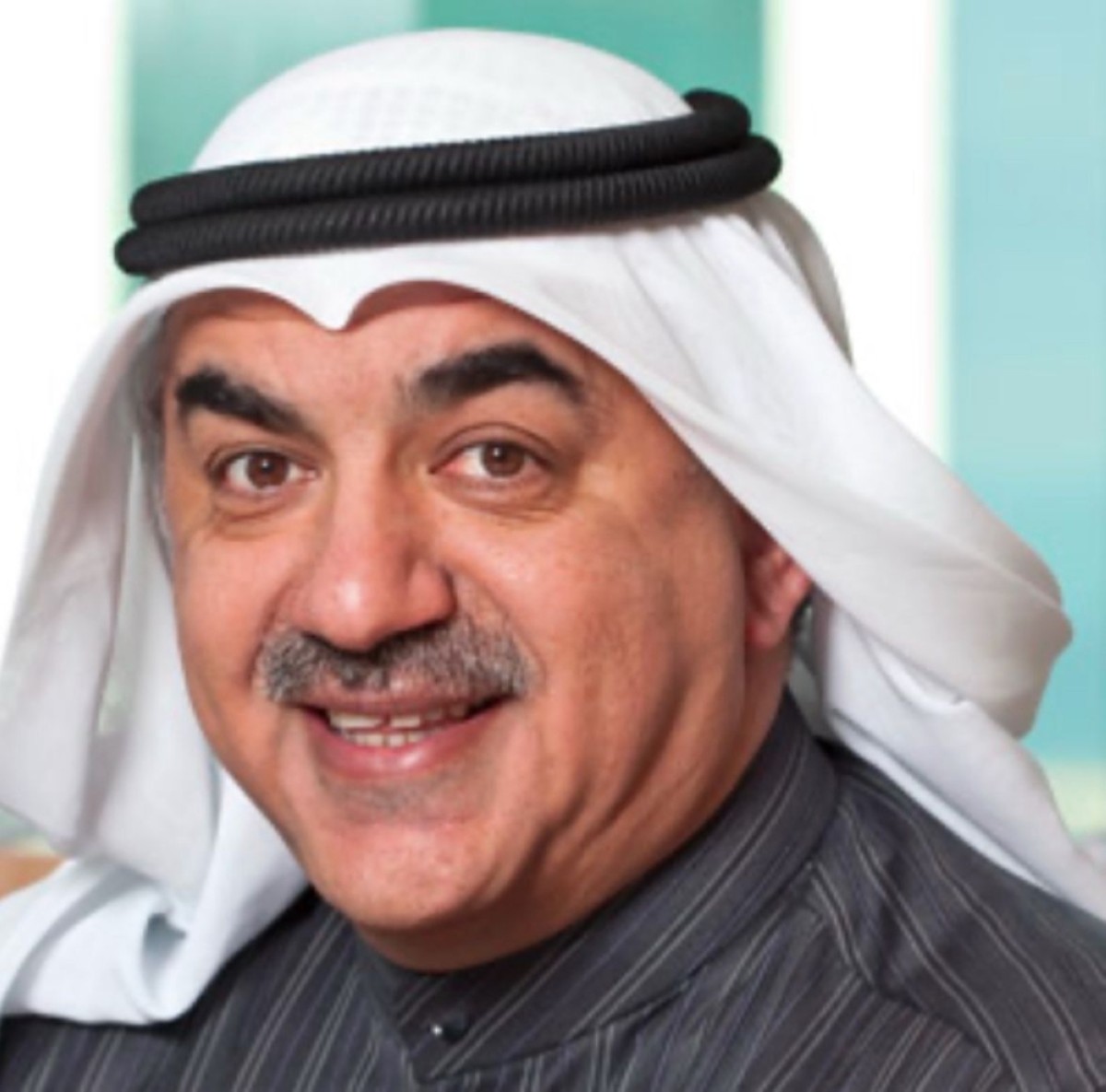
By Tareq J Alwazzan
As global competition redefines the geography of power, small states can no longer survive on resource rents or geography alone. Kuwait faces this turning point. For decades it has been a conduit for oil and trade; now it must become a center of production, innovation and logistics. The most credible path lies through a strategic alliance with China — not as a construction contractor, but as a co-investor and industrial partner. The aim: To convert capital into productive capacity and transform national surpluses into lasting sovereign value.
Why China is the winning card
China today is not merely the “world’s factory”. It is a comprehensive industrial power with unmatched scale, technology, and market reach. Its financial resources through the China Investment Corporation and Belt and Road Initiative can mobilize tens of billions at competitive cost. It leads in industrial AI, electric mobility, hydrogen, green energy and advanced logistics, while offering a consumer market of 1.4 billion people.
Equally important, China’s rise is no longer about low cost; it is about quality and trust. Its brands in electronics, vehicles and medical products now compete head-to-head with Western peers on reliability, warranties and after-sales support. This combination of technological strength, affordability and credibility makes China the strategic partner of choice for countries seeking transformation rather than transaction.
The industrial–financial framework
The partnership’s backbone would be a joint industrial-sovereign fund with an initial capital of no less than $100 billion, jointly established by the Kuwait Investment Authority and China’s sovereign fund CIC. The fund would finance large-scale manufacturing, logistics and technology ventures — governed transparently and operated on market principles — turning Kuwait from capital exporter to capital developer.
Complementing it is a phased financing mechanism, whereby China co-finances projects in return for long-term offtake agreements. This model ensures predictable cash flow, limits fiscal exposure, and embeds confidence in project viability. To globalize the alliance, project vehicles and investment instruments would be listed on the Hong Kong and Shanghai stock exchanges, later connecting to Gulf markets. Such listings would attract institutional capital worldwide and establish Kuwait as a gateway for cross-border industrial investment — a new Silk Road node anchored in financial credibility.
Pathways to tangible success
The alliance’s value lies in execution, not aspiration. Three flagship tracks could illustrate its impact: Battery and energy-storage manufacturing with CATL and BYD, positioning Kuwait in the electric-vehicle supply chain that serves both Europe and the Gulf. Green-hydrogen production using renewable power and Chinese electrolyzer technology, exporting hydrogen and ammonia to Asian markets. Advanced plastics and polymers developed with Sinopec and Equate to transform ethylene into higher-value products such as medical consumables and high-performance films. Each project would embody Kuwait’s shift from selling raw materials to exporting technology-enabled products — from rent to return, from liquidity to productivity.
Strategic horizons
Beyond economics, the alliance offers Kuwait geopolitical balance and developmental depth. It positions the country as a bridge between East and West in an era of contested globalization; as a logistics hub connecting Asia, Africa and Europe; and as a catalyst for regional Gulf cooperation through shared industrial ventures.
Human-capital programs — joint training institutes, technical scholarships in China and industrial-AI curricula — would localize knowledge. Collaboration in renewable energy and digital infrastructure would place Kuwait within the world’s green-transition supply chain, while cultural and academic exchange would lend the partnership social endurance beyond contracts.
From ambition to reality
Kuwait and China hold complementary strengths: China provides capital, technology and markets; Kuwait offers energy, location and sovereignty. If fused under a disciplined framework of governance and technology transfer, this alliance could turn Kuwait’s planned industrial islands into measurable global success stories — echoing the trajectory of Singapore and South Korea, which converted logistics advantage into knowledge-based prosperity.
Kuwait now faces a decisive question: Will it remain a transit corridor for other nations’ goods and capital, or become a sovereign hub of production and finance writing its own chapter in global economic history? Those who master the tools of production, knowledge and execution will write the future of the world.
NOTE: Tareq J Alwazzan is a Kuwaiti Senior Executive and Researcher specializing in oil and energy affairs
