


Understanding the psychological triggers behind gambling behavior
The Allure of Risk and Reward
Gambling often captivates individuals due to the inherent thrill of risk-taking. The anticipation of winning can create a dopamine rush, stimulating pleasure centers in the brain. This connection between risk and reward is a powerful psychological trigger that drives many to engage in gambling behaviors, as the potential for a substantial win can overshadow the reality of loss, including those who take advantage of offers like https://sector777casino.co.uk/bonus/.
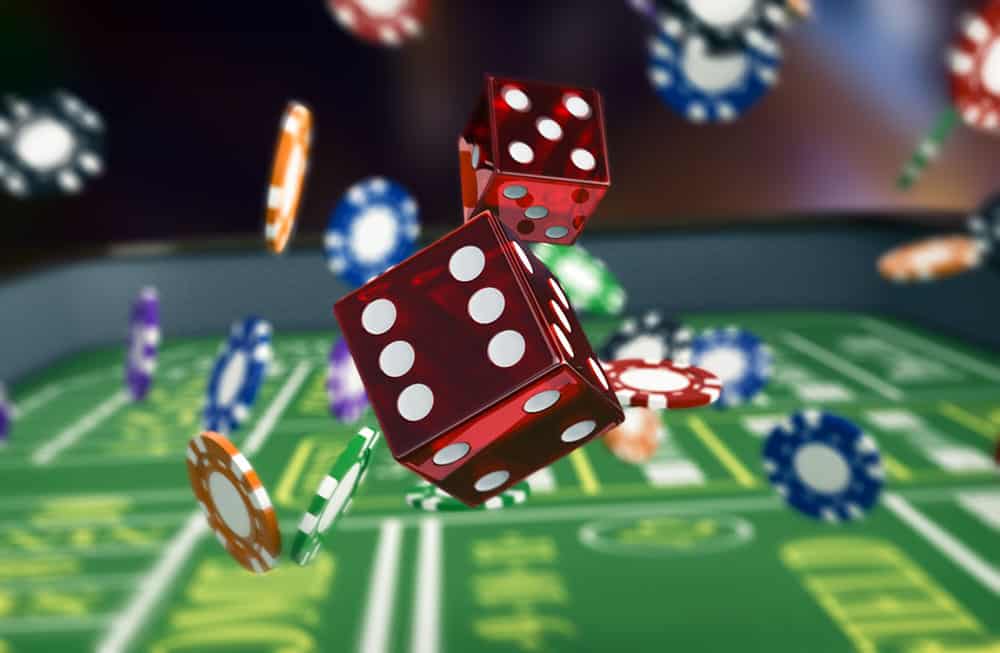
This allure is amplified by the near-miss effect, where players experience heightened excitement after close outcomes. Even when they lose, the feeling of being just one step away from victory can reinforce the desire to gamble again, creating a cycle of behavior that is hard to break.
Social Influences and Group Dynamics
Gambling does not exist in a vacuum; social influences play a significant role in shaping behavior. Group dynamics, such as peer pressure and the social aspects of gambling environments, can encourage individuals to participate. When people see their friends or family members enjoying gambling, they may feel compelled to join in, viewing it as a communal experience rather than a solitary activity.
Additionally, social media and advertising can further normalize gambling behaviors by showcasing glamorous lifestyles associated with winning. This social validation can create a perceived acceptance of gambling, making it more attractive and reinforcing the desire to participate in such activities.
Emotional Escapism and Coping Mechanisms
Many individuals turn to gambling as a means of escape from life’s stresses. Emotional triggers, such as anxiety, depression, or boredom, can lead people to seek out gambling as a distraction or coping mechanism. The temporary high of gambling can serve as a refuge from negative emotions, making it appealing as a quick fix for underlying issues.
However, this reliance on gambling for emotional relief can lead to problematic behaviors. Over time, individuals may find themselves gambling more frequently in an attempt to replicate that initial high, ultimately resulting in a cycle of dependency that can be challenging to overcome.
The Role of Cognitive Biases
Cognitive biases significantly influence gambling behavior. Players often overestimate their chances of winning due to various biases, such as the gambler’s fallacy, where individuals believe past events affect future outcomes. This skewed perception can lead to continued gambling despite losses, as players cling to the belief that their luck will change.
Another cognitive bias is the illusion of control, where individuals believe they have influence over random outcomes, such as in games of chance. This false sense of control can drive continued participation in gambling, as players feel empowered to affect results even when the odds are against them.
Join the Gaming Community at Sector 777 Casino
At Sector 777 Casino, we understand the complex interplay of psychological triggers that influence gambling behavior. We strive to provide a safe and engaging environment for players seeking entertainment and excitement. With a variety of games and generous promotions, our platform is designed to enhance your gaming experience while fostering responsible play.
Whether you are a seasoned player or new to the world of online gaming, Sector 777 Casino offers a community where you can explore the thrill of gambling in a supportive atmosphere. Join us today and experience the excitement while being mindful of the psychological factors at play. Your journey into the world of gaming awaits!
